The Role of Viscometers in Quality Control of Liquids
In today’s highly competitive industrial environment, ensuring the consistency and quality of liquid products is more critical than ever. Whether in food and beverage, pharmaceuticals, chemicals, or cosmetics, precise control over the physical properties of liquids can directly impact product performance, safety, and customer satisfaction. Among the various tools used for quality control, viscometers play a pivotal role in measuring and maintaining the viscosity of liquids, a key indicator of their quality.
Understanding Viscosity and Its Importance
Viscosity is a measure of a fluid's resistance to flow. It determines how thick or thin a liquid is and influences its behavior during production, transportation, and usage. For example, honey has a high viscosity compared to water, which flows easily because of its low viscosity. In industrial processes, viscosity affects mixing, pumping, filling, and even the sensory qualities of the final product.
Maintaining proper viscosity is essential for several reasons:
- Consistency: Consumers expect a uniform texture and appearance in products such as sauces, lotions, or syrups.
- Performance: In lubricants and paints, incorrect viscosity can result in poor coverage or mechanical inefficiency.
- Processing Efficiency: Correct viscosity ensures smooth processing, reducing wear on machinery and preventing blockages.
Because of these critical aspects, reliable measurement of viscosity is a cornerstone of liquid quality control.
What Are Viscometers?
Viscometers are precision instruments used to measure the viscosity of liquids. These devices are designed to determine how a fluid resists deformation or flow when subjected to stress. The readings provided by viscometers allow manufacturers to monitor and adjust the viscosity of their products, ensuring they meet established quality standards.
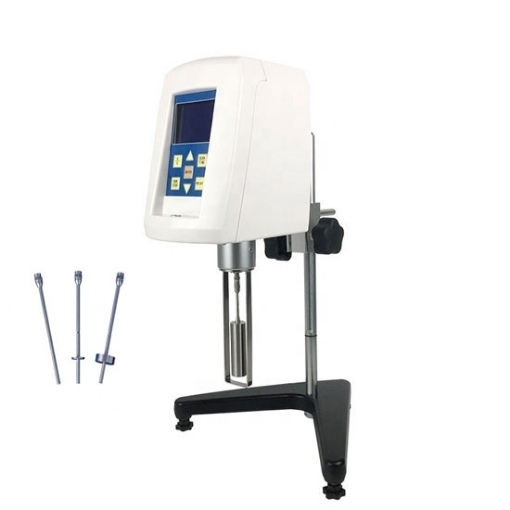
There are several types of viscometers, each suited to specific applications:
- Capillary Viscometers: These measure the time it takes for a liquid to flow through a narrow tube under gravity or applied pressure.
- Rotational Viscometers: These measure the torque required to rotate a spindle in the liquid, offering precise readings for viscous or non-Newtonian fluids.
- Falling Ball Viscometers: These assess viscosity by observing the time it takes for a ball to fall through the liquid.
- Vibrational Viscometers: These determine viscosity by measuring the damping effect a liquid has on an oscillating probe.
Each type has unique advantages depending on the liquid's characteristics, temperature range, and the required accuracy of measurement.
Role of Viscometers in Quality Control
In quality control laboratories and production lines, viscometers are indispensable tools. Here’s how they contribute to maintaining high standards across various industries:
1. Ensuring Product Consistency
Consistency is a major factor in consumer satisfaction. For example, a sauce that is too thin or a shampoo that is too thick may lead to complaints or returns. By regularly measuring viscosity with viscometers, manufacturers can detect deviations from the desired standard and adjust formulations or production parameters accordingly. This ensures that every batch meets the same quality criteria, building consumer trust.
2. Monitoring Production Processes
Viscosity often changes with temperature, pressure, or chemical composition. During production, subtle changes can lead to significant variations in product behavior. Continuous or periodic monitoring using viscometers allows operators to track these changes in real time. For example, in paint manufacturing, viscometer readings help maintain the right flow properties for smooth application, while in food processing, they ensure that syrups and sauces remain pourable yet thick enough to hold shape.
3. Compliance with Industry Standards
Many industries are governed by strict regulations regarding product specifications. Pharmaceutical, cosmetic, and food industries, in particular, have set viscosity ranges that products must meet to comply with safety and efficacy standards. Viscometers provide objective, quantifiable data that can be recorded for regulatory reporting, audits, and certifications.
4. Optimizing Formulations
Viscometer data is not only useful for maintaining quality but also for product development. Manufacturers can experiment with different formulations and additives, using viscosity measurements to achieve the desired texture, stability, or flow characteristics. This process ensures that products perform well under various storage and usage conditions.
5. Reducing Waste and Downtime
Incorrect viscosity can cause processing issues such as clogging pumps, uneven filling, or equipment strain. Regular monitoring with viscometers helps detect anomalies early, preventing costly downtime, material waste, and equipment maintenance problems. This proactive approach enhances overall operational efficiency and reduces production costs.
Applications Across Industries
Viscometers are versatile tools used in a wide range of industries:
- Food and Beverage: Ensuring the proper thickness of sauces, syrups, dairy products, and beverages.
- Pharmaceuticals: Measuring the viscosity of syrups, suspensions, and liquid medications to guarantee dosing accuracy.
- Cosmetics and Personal Care: Maintaining consistent texture in creams, lotions, and shampoos.
- Chemical Industry: Monitoring industrial fluids, adhesives, paints, and coatings to achieve optimal application and performance.
- Petroleum and Lubricants: Controlling viscosity of oils and fuels to ensure engine protection and efficiency.
Each of these industries relies heavily on viscometer readings to uphold product quality, satisfy regulatory requirements, and maintain brand reputation.
Advantages of Using Viscometers in Quality Control
Using viscometers for quality control offers several significant benefits:
- Accuracy: Modern viscometers provide precise measurements, enabling reliable quality assessments.
- Efficiency: Quick and repeatable measurements allow faster production adjustments and reduce inspection times.
- Versatility: A variety of viscometer types can handle different liquids, from thin beverages to highly viscous pastes.
- Data Documentation: Many viscometers come with digital interfaces that store measurements for trend analysis and reporting.
- Early Detection of Issues: Detecting viscosity deviations early helps prevent defective batches and ensures product safety.
By leveraging these advantages, manufacturers can maintain a competitive edge and deliver products that consistently meet customer expectations.
Best Practices for Using Viscometers in Quality Control
To maximize the effectiveness of viscometers, certain best practices should be followed:
- Regular Calibration: Ensure viscometers are calibrated according to manufacturer recommendations to maintain accuracy.
- Consistent Testing Conditions: Temperature and environmental conditions should be standardized, as viscosity is temperature-sensitive.
- Proper Sample Handling: Avoid contamination and bubbles, which can affect readings.
- Training Personnel: Operators should be trained in proper use, maintenance, and interpretation of results.
- Integration with Quality Systems: Incorporate viscometer data into overall quality management systems for comprehensive monitoring.
Following these practices ensures that viscosity measurements provide reliable guidance for both production and product development.
Future Trends in Viscometer Technology
Viscometer technology continues to evolve, with innovations aimed at improving accuracy, speed, and ease of use. Some emerging trends include:
- Automated and Inline Viscometers: These allow real-time monitoring during production, reducing the need for manual sampling.
- Smart Viscometers with IoT Integration: Data can be collected, analyzed, and used for predictive maintenance and process optimization.
- Miniaturized Viscometers: Portable devices are being developed for on-site testing, particularly in the food and beverage or pharmaceutical sectors.
These advancements are making it even easier for manufacturers to maintain precise control over their liquid products, ensuring quality and compliance.
Conclusion
The role of viscometers in quality control of liquids cannot be overstated. They provide critical measurements that help manufacturers maintain consistency, optimize production processes, comply with regulations, and reduce waste. From ensuring that a cosmetic cream has the right texture to verifying that a pharmaceutical syrup meets dosing standards, viscometers are indispensable measuring instruments in modern industry.
By integrating viscometers into routine quality control practices, companies can not only uphold the highest product standards but also drive innovation and efficiency across their operations. Investing in reliable viscometer technology, training staff, and following best practices ensures that liquid products consistently meet the expectations of both regulators and consumers.